Mold Exposure Does Not End When You Leave the Building

For many patients, the connection between mold and chronic illness is not one they have ever considered or been offered. Mold exposure is often thought of as an acute problem: you find it, you remediate it, and the issue is resolved. What is less widely understood is that the mycotoxins produced by certain mold species can accumulate in the body over time, persisting long after the source of exposure has been removed and continuing to affect health in ways that are difficult to recognize and easy to misattribute.

When the Source Is Gone, but the Symptoms Remain

Chronic mycotoxin exposure is associated with a broad and often bewildering range of symptoms—fatigue, cognitive fog, respiratory issues, hormonal disruption, immune dysregulation, mood disturbances, and more—that overlap significantly with other conditions and rarely prompt a physician to investigate mold as the underlying cause. As a result, many patients with significant mycotoxin burden spend years cycling through diagnoses and treatments that address the symptoms but never identify the source. At Ahn Point Wellness, Dr. Lynne B. Ahn takes mycotoxin exposure seriously as a clinical contributor to chronic illness. Through advanced mycotoxin testing in Boston, she evaluates each patient's specific mycotoxin burden. She develops a targeted, physician-guided strategy for supporting the body's elimination pathways and addressing the downstream health consequences of prolonged mold exposure.

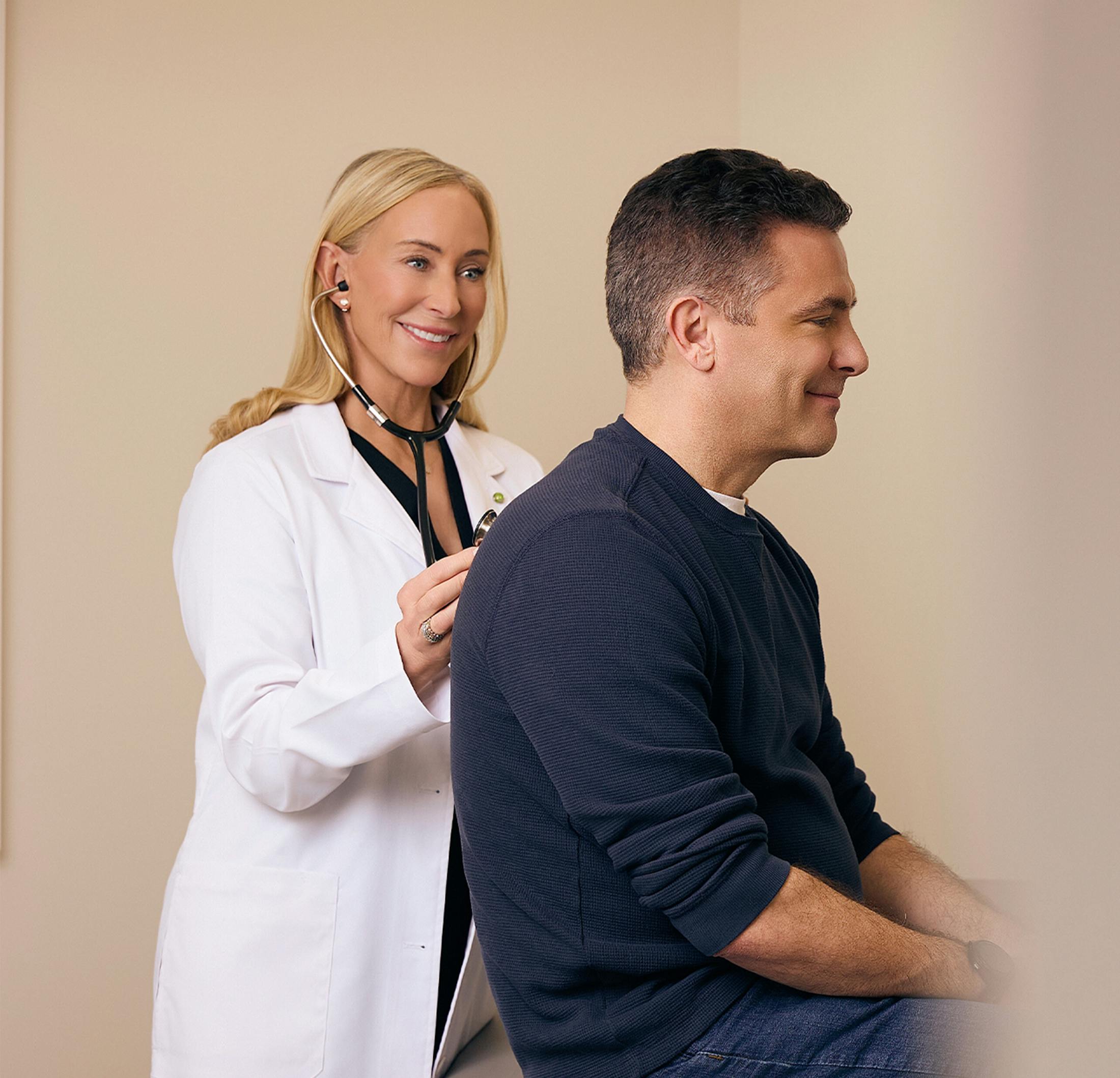
Doctor helping a patient

What Is Mycotoxin Testing?

Mycotoxin testing is the clinical evaluation of the body's burden of mold-derived toxic compounds through advanced laboratory analysis, typically of urine, which reflects the body's active elimination of mycotoxins and provides a clinically meaningful picture of current mycotoxin burden. Mycotoxins are secondary metabolites produced by certain mold species, including Aspergillus, Stachybotrys, Penicillium, and Fusarium, that can cause significant biological harm when inhaled, ingested, or absorbed in sufficient quantities over time. At Ahn Point Wellness, mycotoxin testing is conducted through advanced laboratory partners capable of detecting and quantifying a comprehensive panel of the most clinically significant mycotoxins, providing the precise, actionable data needed to confirm the presence and degree of mycotoxin burden and guide a targeted, evidence-informed treatment approach. Results are interpreted by Dr. Ahn in the context of each patient's full health picture, including their exposure history, symptoms, immune status, and detoxification capacity.


The Benefits of Physician-Led Mycotoxin Testing

  • Identification of a Frequently Overlooked Source of Chronic Illness: Mycotoxin exposure is rarely investigated in conventional medical settings, meaning that its contribution to chronic fatigue, cognitive impairment, hormonal disruption, and immune dysfunction often goes unrecognized for years. Advanced testing provides the clinical evidence needed to identify mycotoxin burden as a contributing factor and address it directly.
  • Comprehensive Panel Coverage Across Clinically Significant Mycotoxins: Advanced mycotoxin testing at Ahn Point Wellness evaluates a broad range of the most clinically significant mycotoxins, providing a complete picture of exposure that targeted single-mycotoxin testing cannot offer.
  • Connection of Mycotoxin Burden to Chronic Symptoms: For patients whose symptoms have never been fully explained, a positive mycotoxin panel can be a pivotal clinical finding, establishing a clear connection between environmental exposure and chronic illness that provides both an explanation and a direction for treatment.
  • Assessment of Detoxification Capacity Alongside Toxic Burden: The body's ability to eliminate mycotoxins varies significantly between individuals, influenced by genetics, gut health, nutritional status, and immune function. Dr. Ahn evaluates detoxification capacity alongside mycotoxin burden to ensure that the treatment strategy is appropriately matched to each patient's biological ability to process and eliminate what has accumulated.
  • A Targeted, Evidence-Informed Treatment Protocol: Rather than applying a generic approach, Dr. Ahn develops a mycotoxin reduction strategy that is specific to the mycotoxins identified, the degree of exposure, and each patient's individual health picture, incorporating binders, antifungal support where appropriate, nutritional repletion, gut health restoration, and immune support tailored to the specific clinical picture.
  • Support for the Full Downstream Health Impact: Mycotoxin exposure affects multiple systems simultaneously, including the immune system, hormonal axis, gut barrier, and neurological function. Dr. Ahn addresses these downstream consequences as part of a comprehensive treatment plan, rather than focusing narrowly on mycotoxin elimination alone.
Banner media

Is Mycotoxin Testing Right for Me?

At Ahn Point Wellness, mycotoxin testing in Wellesley is a meaningful consideration for patients with a known or suspected history of mold exposure—including those who have lived or worked in buildings with water damage, visible mold, or a history of flooding—as well as those experiencing chronic symptoms that have not been adequately explained through conventional evaluation. 

It is particularly relevant for patients with persistent fatigue, cognitive fog, respiratory symptoms, recurrent infections, hormonal disruption, or mood disturbances that have not responded to standard treatment approaches. Because mycotoxin symptoms overlap significantly with many other conditions, testing is the only reliable way to determine whether mycotoxin burden is contributing to a patient's clinical picture. Dr. Ahn reviews each patient's exposure history, symptoms, and full health context before recommending testing, ensuring that the approach is clinically justified and that results will be interpreted with the depth and nuance they require.

(781) 785-8815

Schedule a Consultation

Contact Us
Contact us media

The Mycotoxin Testing Process What to Expect:

Consultation and Exposure History Review

Dr. Ahn conducts a thorough review of your symptoms, health history, living and working environments, and any known or suspected mold exposure, establishing the clinical context needed to assess the likelihood of mycotoxin burden and determine whether testing is appropriate.

Test Selection and Sample Collection

At Ahn Point Wellness, mycotoxin testing in Boston is typically conducted through urine analysis, which reflects the body's active elimination of mycotoxins and provides a clinically meaningful picture of current burden. Sample collection instructions are straightforward and can be completed at home, with the sample submitted to our laboratory partner for analysis.

Laboratory Analysis

Samples are processed by our advanced laboratory partners using sensitive analytical methods designed to detect and quantify a comprehensive panel of clinically significant mycotoxins, providing results with the accuracy and detail that meaningful clinical interpretation requires.

Results Review and Clinical Interpretation

Dr. Ahn reviews your results with you in detail, explaining which mycotoxins are present, at what levels, what their clinical significance is, and how they connect to your symptoms and broader health picture.

Personalized Mycotoxin Reduction Protocol

A targeted treatment plan is developed based on your specific results, which may include mycotoxin binders to support elimination, antifungal support where clinically appropriate, nutritional repletion to address deficiencies created by mycotoxin exposure, gut health restoration, immune support, and lifestyle and environmental recommendations to minimize ongoing exposure.

Follow-Up Testing and Monitoring

Repeat testing at appropriate intervals confirms that mycotoxin levels are declining in response to treatment, guides adjustments to the protocol, and ensures that the detoxification strategy is producing the clinical outcomes expected.

Mycotoxins Commonly Evaluated at Ahn Point Wellness

Aflatoxins

Produced primarily by Aspergillus species, aflatoxins are among the most potent naturally occurring carcinogens known. They are associated with liver damage, immune suppression, and an elevated risk of hepatocellular carcinoma with chronic exposure. Aflatoxin exposure occurs through contaminated food, particularly nuts, grains, and dried fruits, as well as through inhalation in environments with Aspergillus mold growth.

Ochratoxin A

One of the most commonly detected mycotoxins in patients with mold-related illness, ochratoxin A is produced by Aspergillus and Penicillium species and is associated with kidney damage, immune suppression, neurological effects, and carcinogenic risk. It accumulates in tissues with prolonged exposure and is one of the mycotoxins most frequently implicated in chronic mold illness presentations.

Trichothecenes

Produced by Stachybotrys and Fusarium species, trichothecenes, including the notorious mycotoxin associated with "black mold," are among the most immunosuppressive and cytotoxic mycotoxins known. They are associated with significant immune dysregulation, respiratory symptoms, neurological effects, and chronic fatigue in patients with prolonged indoor mold exposure.

Gliotoxin

Produced by Aspergillus fumigatus, gliotoxin is a potent immunosuppressive mycotoxin that impairs immune cell function and promotes fungal persistence within the body. Elevated gliotoxin levels may indicate active Aspergillus colonization and are associated with significant immune dysregulation in susceptible patients.

Zearalenone

Produced by Fusarium species, zearalenone is an estrogenic mycotoxin that binds to estrogen receptors and can contribute to hormonal disruption, reproductive health changes, and estrogenic effects in both men and women. It is an important consideration for patients with unexplained hormonal imbalances or estrogen-related symptoms alongside a history of mold exposure.

Background media

Your Mycotoxin Testing Results

Mycotoxin testing results are typically available within one to two weeks of sample submission. Dr. Ahn reviews all results with you directly — explaining each finding clearly, connecting the data to your symptom history and exposure profile, and discussing the treatment approach she recommends before any protocol begins.

For many patients, a positive mycotoxin panel represents a significant turning point, finally providing a clinical explanation for symptoms that have persisted for years without a satisfying answer. The targeted reduction protocol that follows offers a clear, evidence-informed pathway toward improvement that conventional evaluation has not been able to provide. Dr. Ahn monitors your response through follow-up testing and clinical assessment, adjusting the protocol as your mycotoxin burden reduces and your health continues to improve.

plants

Why Choose Ahn Point Wellness?

Mycotoxin assessment and treatment require clinical expertise, advanced laboratory partnerships, and a willingness to investigate dimensions of health that conventional medicine rarely explores. At Ahn Point Wellness, all three are present.

A Physician Who Takes Mold Illness Seriously

Mold-related illness is underdiagnosed and underappreciated in conventional medicine. Dr. Ahn takes mycotoxin exposure seriously as a clinically meaningful contributor to chronic illness, evaluating it thoroughly, interpreting results with nuance, and developing treatment strategies grounded in the growing body of evidence on mycotoxin-related health effects.

Comprehensive Panel Coverage Through Advanced Laboratory Partners

Ahn Point Wellness works with advanced laboratory partners capable of detecting and quantifying a broad panel of clinically significant mycotoxins, providing the comprehensive coverage needed to accurately assess the full spectrum of mycotoxin burden rather than testing for a limited selection of compounds.

A Whole-Person Approach to Mycotoxin Illness

Mycotoxin exposure affects multiple body systems simultaneously, and effective treatment requires addressing the full downstream impact rather than focusing narrowly on elimination alone. Dr. Ahn develops treatment plans that address gut health, immune function, hormonal balance, nutritional deficiencies, and neurological support alongside mycotoxin reduction, reflecting the whole-person perspective that defines care at Ahn Point Wellness.

Integration With Broader Detoxification and Health Optimization

At Ahn Point Wellness, mycotoxin testing in Boston is evaluated and addressed in the context of each patient's full health picture—including other environmental toxin burdens, gut health, hormonal status, and nutritional deficiencies—ensuring that the mycotoxin reduction strategy is part of a coordinated, comprehensive approach to long-term health restoration.

Background media

Mycotoxin Testing Boston & Wellesley, MA Frequently Asked Questions

What are mycotoxins and where do they come from?

Mycotoxins are toxic secondary metabolites produced by certain species of mold, including Aspergillus, Stachybotrys, Penicillium, and Fusarium. They are released into the environment when these molds grow—most commonly in water-damaged buildings, on contaminated food, or in environments with high humidity and poor ventilation. Exposure occurs primarily through inhalation of mold spores and mycotoxin particles in contaminated indoor environments, as well as through ingestion of mycotoxin-contaminated food.

Can I have mycotoxin burden without visible mold in my home or workplace?

Yes. Mycotoxins can persist in building materials, dust, and HVAC systems long after visible mold has been remediated, and exposure may have occurred in a previous living or working environment whose effects have continued to accumulate. Additionally, mycotoxin exposure through contaminated food is possible without any environmental mold exposure. Testing is the only reliable way to determine whether mycotoxin burden is present, regardless of the apparent source.

What symptoms are associated with mycotoxin exposure?

Mycotoxin exposure can contribute to a wide range of symptoms, including chronic fatigue, cognitive fog and memory impairment, headaches, respiratory symptoms, sinus congestion, mood disturbances including anxiety and depression, hormonal disruption, digestive issues, skin changes, joint pain, and recurrent infections. Because these symptoms overlap with many other conditions, mycotoxin exposure is frequently missed as the underlying contributor.

How is mycotoxin testing different from mold testing in the home?

Home mold testing evaluates the presence of mold spores and species in the environment. Mycotoxin testing evaluates the burden of mold-derived toxins that have already accumulated within the patient's body. Both types of assessment can be relevant; identifying the environmental source of exposure and quantifying the body's mycotoxin burden are complementary pieces of information that together provide the most complete picture of mold-related illness.

What treatment is used to reduce mycotoxin burden?

Mycotoxin reduction protocols typically involve a combination of approaches tailored to the specific mycotoxins identified and each patient's individual clinical picture. Common components include mycotoxin binders—such as activated charcoal, cholestyramine, or bentonite clay—that bind mycotoxins in the gut and support elimination, antifungal support where active fungal colonization is suspected, nutritional repletion, gut health restoration to support elimination pathways, and immune support. Dr. Ahn develops each patient's protocol based on their specific test results and health picture.

How long does it take to reduce mycotoxin burden?

The timeline depends on the specific mycotoxins identified, the degree of accumulation, ongoing versus historical exposure, and each patient's individual detoxification capacity. Some patients see meaningful reductions in mycotoxin levels within weeks of beginning a targeted protocol. Those with a more significant burden or ongoing exposure may require a longer course of treatment. Addressing the source of exposure, whether environmental remediation or dietary changes, is an essential component of achieving lasting reduction. Dr. Ahn monitors progress through follow-up testing and adjusts the protocol accordingly.

Can mycotoxins affect hormonal health?

Yes. Certain mycotoxins, particularly zearalenone, have estrogenic activity and can bind to estrogen receptors, contributing to hormonal disruption in both men and women. Other mycotoxins affect adrenal function, thyroid health, and the broader hormonal axis through their effects on immune function and inflammatory signaling. Dr. Ahn evaluates the hormonal implications of mycotoxin burden as part of every assessment and addresses these connections in the treatment plan.

Does insurance cover mycotoxin testing?

Ahn Point Wellness is a cash-pay practice and does not accept insurance. Many patients find that HSA and FSA accounts can help offset the cost of testing and treatment. Dr. Ahn will discuss the testing she recommends and associated costs during your consultation.

Get
Started

Schedule a consultation to begin understanding your health with physician-led care.

Contact us media
Contact us media
Accessibility: If you are vision-impaired or have some other impairment covered by the Americans with Disabilities Act or a similar law, and you wish to discuss potential accommodations related to using this website, please contact our Accessibility Manager at (781) 785-8815.
Contact Us