What the Scale Has Never Been Able to Tell You

Body weight is one of the least informative metrics in medicine. Two people can weigh the same and have completely different body compositions—different ratios of muscle to fat, different distributions of visceral fat around the organs, different levels of cellular hydration—all of which have profoundly different implications for metabolic health, disease risk, and long-term well-being. A number on a scale tells you none of that.

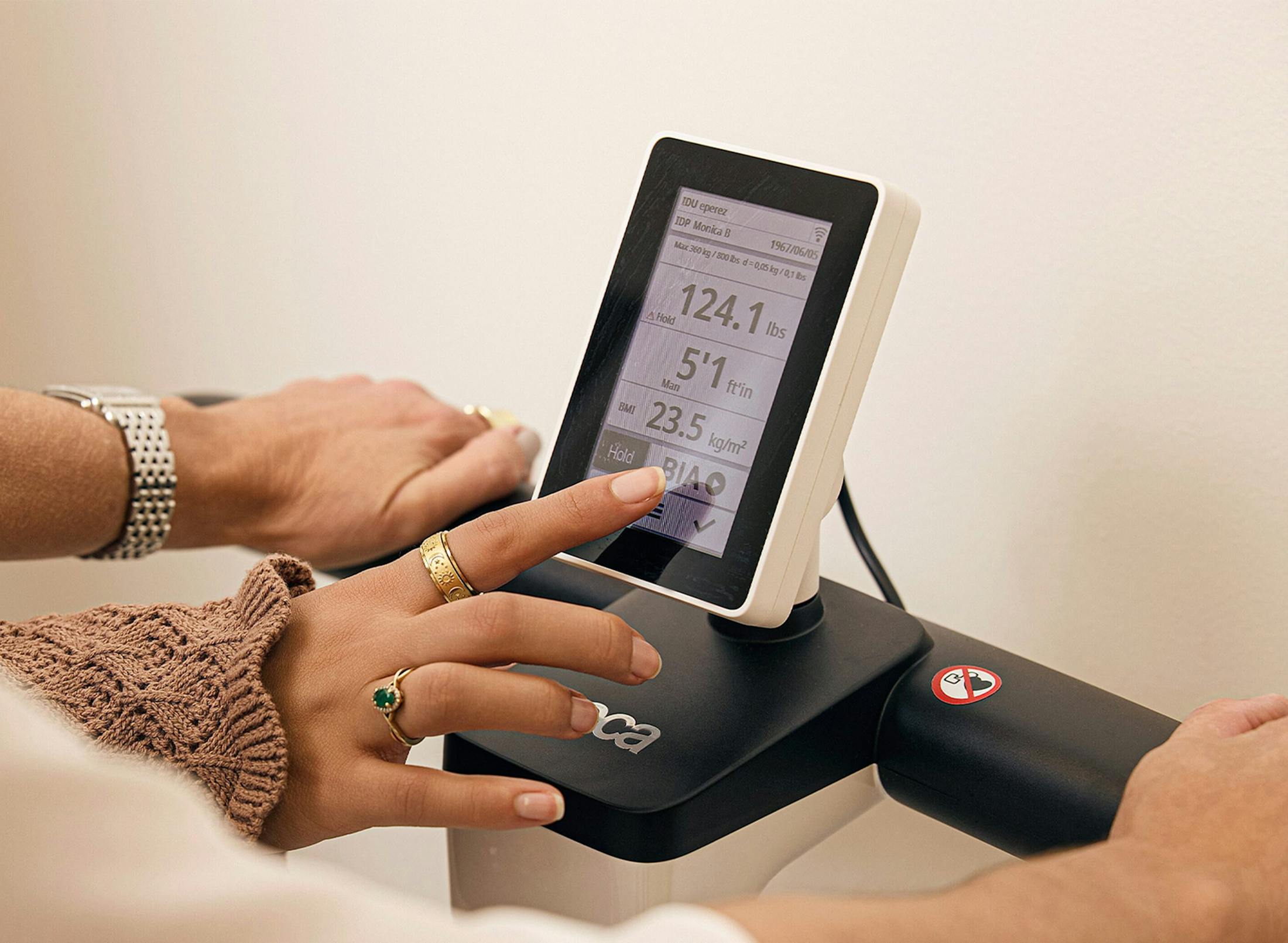
At Ahn Point Wellness, Dr. Lynne B. Ahn uses the SECA medical Body Composition Analyzer to go far beyond what weight alone can reveal. SECA is the gold standard in medical-grade body composition testing in Boston, providing a precise, segmental analysis of muscle mass, fat mass, visceral fat, bone density, and cellular hydration that gives both patient and physician the objective, clinically meaningful data needed to make genuinely informed decisions about health, metabolism, and treatment.

Man getting his weight checked

What Is SECA Body Composition Analysis?

SECA body composition analysis uses bioelectrical impedance analysis technology to measure the composition of the body with medical-grade precision. By passing a low-level electrical current through the body and measuring its resistance across different tissue types, the SECA analyzer produces a detailed, segmental breakdown of body composition, distinguishing between muscle mass, fat mass, visceral fat, extracellular and intracellular water, and bone mineral content across individual body segments.

Unlike consumer-grade body composition scales or the basic impedance measurements available at gyms and wellness centers, the SECA medical Body Composition Analyzer is a clinical instrument validated for use in medical settings and capable of producing results with a level of accuracy and reproducibility that clinical decision-making requires. At Ahn Point Wellness, SECA analysis is used not as a standalone measurement but as an integrated component of the metabolic assessment process, providing the body composition data that informs and enriches the broader clinical picture Dr. Ahn develops for each patient.


The Benefits of SECA Body Composition Analysis

  • Precision Beyond the Scale: SECA analysis provides a detailed, segmental breakdown of body composition that reveals what weight alone cannot—including muscle mass distribution, fat mass, visceral fat levels, and cellular hydration status—giving Dr. Ahn the precise, clinically meaningful data needed to guide metabolic health recommendations.
  • Visceral Fat Assessment: Visceral fat, the fat stored around the abdominal organs, is a significantly more important metabolic and cardiovascular risk marker than total body weight or BMI. SECA analysis quantifies visceral fat directly, providing a clinically actionable measure of metabolic risk that standard assessments do not capture.
  • Muscle Mass Evaluation for Longevity and Metabolic Health: Skeletal muscle mass is a meaningful predictor of metabolic health, insulin sensitivity, physical resilience, and long-term quality of life. SECA analysis provides a precise measurement of muscle mass by body segment, supporting targeted interventions for patients dealing with age-related muscle loss or seeking to optimize body composition for longevity.
  • Objective Tracking of Treatment Progress: Serial SECA measurements over time provide objective, quantitative evidence of how body composition is changing in response to treatment—whether that involves medical weight loss, hormone optimization, nutrition counseling, Emsculpt, or other interventions—removing the ambiguity from progress assessment.
  • Cellular Hydration and Phase Angle Assessment: The SECA analyzer measures intracellular and extracellular water distribution. It calculates phase angle — a marker of cellular health and integrity that provides meaningful insight into nutritional status, inflammatory burden, and overall cellular vitality.
  • A More Clinically Meaningful Metabolic Picture: When SECA body composition data is interpreted alongside laboratory markers of metabolic function, hormonal balance, and inflammatory burden, it contributes to a richer, more complete metabolic assessment than any single measurement can provide, supporting more informed and more targeted clinical recommendations.
Banner media
(781) 785-8815

Schedule a Consultation

Contact Us
Contact us media

Is SECA Body Composition Analysis Right for Me?

SECA body composition analysis is valuable for a broad range of patients at Ahn Point Wellness, including those pursuing medical weight loss, hormone optimization, or metabolic health improvement who want objective data to guide and measure the impact of their treatment plan. It is also particularly relevant for patients focused on longevity and healthy aging who want to monitor muscle mass preservation over time, and for those whose weight or BMI may not accurately reflect their metabolic health status.

Because SECA analysis is most valuable as a serial measurement rather than a single data point, it is most meaningfully used as part of our ongoing metabolic testing in Wellesley. At Ahn Point Wellness, establishing a precise baseline and tracking changes in body composition over time as interventions take effect and health evolves.

The SECA Body Composition Analysis Process What to Expect

Pre-Assessment Preparation

For the most accurate results, patients are asked to arrive well-hydrated, having avoided significant food intake, alcohol, and strenuous exercise in the hours before the assessment. Dr. Ahn will provide specific preparation instructions based on the timing of your appointment.

The Assessment

The SECA analysis itself is a quick, non-invasive procedure that takes approximately five to ten minutes. You will stand on the SECA platform and hold the hand electrodes while the device passes a low-level electrical current through the body and collects the measurements needed to produce a detailed body composition report.

Results Review With Dr. Ahn

Dr. Ahn reviews your SECA results with you in detail, explaining what each measurement means, how your body composition compares to reference values for your age and sex, and what the findings reveal about your metabolic health and risk profile.

Integration Into Your Health Plan

SECA findings are incorporated into the broader metabolic assessment and personalized health plan developed for each patient, informing recommendations related to nutrition, exercise, hormone optimization, weight management, and other interventions where body composition data is clinically relevant.

Serial Monitoring Over Time

Repeat SECA assessments are scheduled at appropriate intervals to track changes in body composition over time, providing the objective, longitudinal data needed to measure treatment progress and refine the health strategy as your body composition evolves.

Background media

Your SECA Body Composition Results

SECA results are available immediately following the assessment and are reviewed with you by Dr. Ahn in the context of your full health picture. The initial assessment establishes a precise baseline, the reference point against which all future measurements are compared and from which the direction and rate of change in your body composition can be tracked with clinical accuracy.

Over time, serial SECA measurements become one of the most objective and motivating tools available in the ongoing health partnership at Ahn Point Wellness, providing clear, quantitative evidence of the changes taking place in muscle mass, fat mass, visceral fat, and cellular health as your personalized treatment plan takes effect. For many patients, seeing objective data from advanced metabolic testing in Boston that confirms the biological impact of their health investments is a meaningful and sustaining source of motivation.

Woman smiling

Why Choose Ahn Point Wellness?

Body composition assessment is widely available, but medical-grade analysis interpreted by a physician within a comprehensive metabolic health strategy is not. At Ahn Point Wellness, SECA analysis is one component of a clinically integrated approach to metabolic health that goes well beyond what a number on a scale can tell you.

Medical-Grade Precision in a Clinical Setting

The SECA medical Body Composition Analyzer used at Ahn Point Wellness is a clinical instrument validated for medical use, producing results with a level of accuracy and reproducibility that consumer-grade devices and gym-based assessments cannot approach. The difference matters when body composition data is being used to inform clinical decisions and track treatment outcomes.

Physician Interpretation With Full Metabolic Context

SECA results at Ahn Point Wellness are reviewed and interpreted by Dr. Ahn alongside laboratory markers of metabolic function, hormonal balance, and inflammatory burden, ensuring that body composition data is understood in the full clinical context it deserves rather than delivered as an isolated measurement.

Integrated Into a Comprehensive Metabolic Health Strategy

Because SECA analysis is most valuable as a serial measurement rather than a single data point, it is most meaningfully used as part of our ongoing metabolic testing in Wellesley. At Ahn Point Wellness, establishing a precise baseline and tracking changes in body composition over time as interventions take effect and health evolves.

Longitudinal Tracking for Objective Progress Measurement

Serial SECA assessments at defined intervals provide the objective, quantitative data needed to track the impact of treatment over time, supporting informed clinical decisions and giving patients clear evidence of the biological changes that their health investments are producing.

Background media

SECA Body Composition Analysis Boston & Wellesley, MA Frequently Asked Questions

How accurate is SECA body composition analysis?

The SECA medical Body Composition Analyzer is a clinical-grade instrument validated for use in medical settings and capable of producing results with a significantly higher level of accuracy and reproducibility than consumer-grade body composition scales or gym-based impedance devices. It is widely used in clinical research and medical practice as a reliable tool for body composition assessment.

How is SECA different from a standard body weight measurement or BMI?

Body weight and BMI measure total mass and its relationship to height, respectively, without distinguishing between muscle, fat, bone, and water. SECA analysis provides a detailed, segmental breakdown of body composition—including muscle mass, fat mass, visceral fat, and cellular hydration—revealing the metabolically meaningful differences that weight and BMI cannot capture.

What is visceral fat, and why does it matter?

Visceral fat is the fat stored around the abdominal organs, as distinct from subcutaneous fat stored beneath the skin. It is metabolically active in ways that subcutaneous fat is not, producing inflammatory cytokines, contributing to insulin resistance, and significantly elevating the risk of cardiovascular disease, type 2 diabetes, and metabolic syndrome. SECA analysis quantifies visceral fat directly, providing a clinically actionable measure of metabolic risk that standard assessments do not capture.

What is phase angle, and what does it indicate?

Phase angle is a measurement derived from the bioelectrical impedance analysis that reflects the integrity of cell membranes and the ratio of intracellular to extracellular water. A higher phase angle generally indicates healthier, more intact cell membranes and better cellular hydration — and is associated with better nutritional status, lower inflammatory burden, and improved overall health. It is a meaningful indicator of cellular vitality that goes beyond standard body composition metrics.

How often should I have a SECA body composition assessment?

The appropriate frequency depends on the goals being pursued and the interventions being monitored. For patients actively managing weight, body composition, or metabolic health, assessments every two to three months provide a meaningful picture of how body composition is changing in response to treatment. For patients in a stable maintenance phase, annual or biannual assessments are typically sufficient. Dr. Ahn will recommend a monitoring schedule based on your individual situation.

Do I need to do anything to prepare for a SECA assessment?

For the most accurate results, patients are asked to arrive well-hydrated, having avoided significant food intake, alcohol, and strenuous exercise in the hours before the assessment. Dr. Ahn will provide specific preparation instructions based on the timing of your appointment.

Can SECA analysis track the effectiveness of Emsculpt or other body composition treatments?

Yes. Serial SECA measurements are a particularly valuable tool for tracking the impact of body composition treatments such as Emsculpt, medical weight loss, and hormone optimization over time — providing objective, quantitative evidence of changes in muscle mass, fat mass, and visceral fat that complement clinical assessment and patient-reported outcomes.

Does insurance cover SECA body composition analysis?

Ahn Point Wellness is a cash-pay practice and does not accept insurance. Many patients find that HSA and FSA accounts can help offset the cost of care. Dr. Ahn will discuss the role of SECA analysis in your personalized health plan and associated costs during your consultation.

Get
Started

Schedule a consultation to begin understanding your health with physician-led care.

Contact us media
Contact us media
Accessibility: If you are vision-impaired or have some other impairment covered by the Americans with Disabilities Act or a similar law, and you wish to discuss potential accommodations related to using this website, please contact our Accessibility Manager at (781) 785-8815.
Contact Us