Anti–Aging & Regenerative Medicine and Integrative Gastroenterology
Schedule Your Appointment Today Get Started Supplements Online Store

Blog

Blog

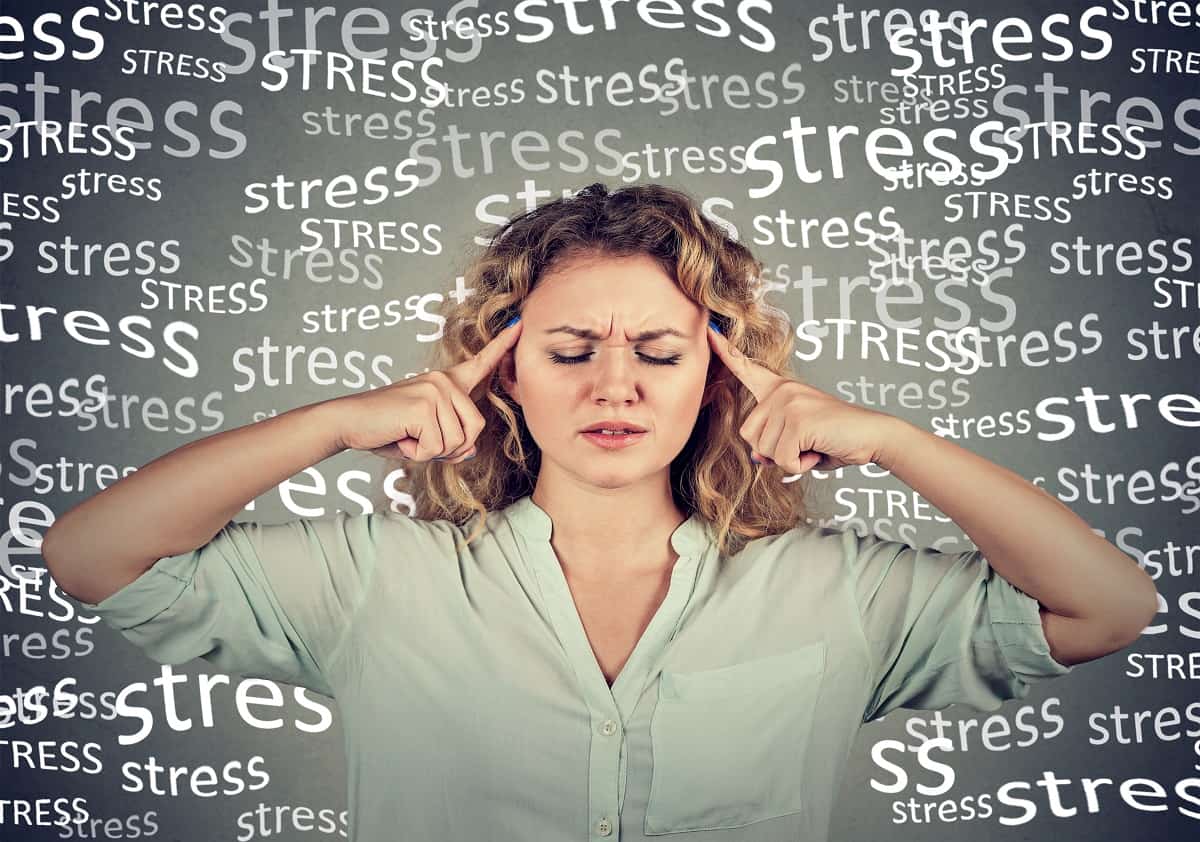
Does Poor Sleep Make Stress Worse? How to Break the Cycle

If you’ve ever had a sleepless night before a big day, you know how stress and sleep are deeply connected. But what happens when poor sleep becomes a pattern? Chronic sleep deprivation doesn’t just leave you tired — it increases stress levels, making it harder to unwind and fall asleep the next night. This vicious cycle can negatively impact your mental and physical health. That’s why Dr. Lynne Ahn, a board-certified Integrative Gastroenterologist in Wellesley, MA, restores balance by combining sleep support strategies and stress management techniques tailored to your needs.

The Science Behind Sleep and Stress

Stress triggers the release of cortisol, your body’s primary stress hormone. In small amounts, cortisol helps you wake up and respond to challenges. However, cortisol levels remain elevated when chronic stress disrupts your body’s natural sleep-wake cycle. Heightened cortisol before bedtime reduces slow-wave sleep— the deep, restorative phase critical for memory, immune function, and stress resilience.

On the other hand, sleep deprivation increases amygdala activity, the brain’s fear and stress center, making everyday challenges feel overwhelming. This heightened response can further increase cortisol, reinforcing the cycle of poor sleep and increased stress.

How Poor Sleep Affects Your Body and Mind

When the sleep-stress cycle isn’t broken, it can lead to:

  • Increased anxiety and irritability – Sleep loss impairs emotional regulation, making minor stressors feel unmanageable.
  • Reduced focus and memory – Your brain consolidates memories during sleep. Chronic sleep deprivation can interfere with cognitive function.
  • Weakened immune system – Prolonged sleep disruption can increase inflammation and lower immunity, making your body more susceptible to illness.
  • Hormonal imbalances – Poor sleep affects hunger hormones, contributing to weight gain and metabolic dysfunction.

Breaking the Sleep-Stress Cycle

At Ahn Point Wellness, we use a holistic approach to improve sleep quality and stress resilience. Some strategies include:

  • Optimizing Circadian Rhythms – Exposure to natural light during the day and reducing blue light at night helps regulate melatonin production for better sleep.
  • Adaptogenic Support – Herbs like ashwagandha and rhodiola may help lower cortisol levels and improve your body’s ability to manage stress.
  • IV Nutrient Therapy – Magnesium, B vitamins, and amino acids support relaxation and sleep regulation at a cellular level.
  • Acupuncture and Functional Medicine – Restoring balance in the nervous system can improve sleep and reduce stress responses naturally.

Re-Balance Your Body with Restored Sleep

If stress and poor sleep affect your well-being, Ahn Point Wellness in Wellesley, MA offers customized wellness solutions to help you regain restorative sleep and improve stress resilience. Dr. Ahn specializes in the treatment of sleep disorders and anxiety, making her the ideal doctor to work with patients dealing with both issues simultaneously. Schedule a consultation to explore natural and integrative therapies designed to break the sleep-stress cycle and restore balance. Call (781) 785-8815.

Beyond Menopause: How Hormone Therapy Supports Longevity and Bone Health

Menopause is a natural phase of aging, but its effects on your body extend far beyond hot flashes and mood swings. Declining estrogen levels impact your bone density, cardiovascular health, and cognitive function. While lifestyle changes like diet and exercise are essential, hormone therapy offers a scientifically supported way to protect your long-term health. That’s why Anti-Aging Regenerative Medicine Physician Dr. Lynne Ahn specializes in personalized hormone therapy plans that go beyond symptom relief to support longevity and vitality.

Hormones and Bone Health: The Link You Can’t Ignore

Estrogen plays a critical role in maintaining bone density. It regulates the activity of osteoclasts — the cells responsible for bone breakdown — preventing excessive bone loss. When estrogen levels decline after menopause, bone resorption outpaces new bone formation, leading to an increased risk of osteoporosis and fractures.

Research tells us that hormone therapy can significantly reduce postmenopausal bone loss. A landmark study from the Women’s Health Initiative found that estrogen therapy reduced the risk of hip fractures by 33% in postmenopausal women. Furthermore, estrogen also improves bone quality, reducing the likelihood of microfractures that contribute to frailty.

The Longevity Factor: How Hormone Therapy Supports a Healthier Aging Process

Longevity isn’t just about living longer — it’s about maintaining function and quality of life. Studies indicate that hormone therapy may contribute to healthier aging by supporting several key systems:

  • Cardiovascular Health – Estrogen has protective effects on the heart by improving arterial flexibility and reducing inflammation. Postmenopausal women experience an increase in cardiovascular disease risk due to declining estrogen levels. Some research suggests that initiating hormone therapy close to menopause may lower the risk of heart disease.
  • Cognitive Function – Estrogen supports neurotransmitter activity and protects against neurodegenerative conditions like Alzheimer’s. While hormone therapy is certainly not a cure-all, emerging studies suggest it may help preserve memory and cognitive function when started early.
  • Muscle Strength and Metabolism – Hormones influence muscle mass and metabolism, both of which decline with age. Some forms of hormone therapy, particularly bioidentical hormone therapy, may help maintain lean body mass and prevent age-related metabolic slowdown.

Personalized Hormone Therapy at Ahn Point Wellness

Not all hormone therapy is the same. Factors like age, health history, and specific hormone imbalances play a role in determining the best approach. At Ahn Point Wellness, Dr. Ahn and her knowledgeable team take offer estrogen patches, BHRT, and pellets tailored to your unique needs. Combined with functional medicine and lifestyle support, hormone therapy can be a powerful tool for thriving beyond menopause.

If you’re interested in learning how hormone therapy can support your long-term health, schedule a consultation at Ahn Point Wellness today. Call 781-785-8815.

Metabolic Health and Aging: How to Keep Your Metabolism Active as You Age

As you age, changes in metabolic health can feel inevitable, but understanding how metabolism works and adopting proactive strategies can help maintain a vibrant, active lifestyle. At Ahn Point Wellness, board-certified anti-aging regenerative medicine physician Dr. Lynne Ahn’s goal is to empower you with actionable knowledge to optimize your metabolic health, so you can stay active and feel your best for years to come. By making intentional lifestyle choices, you can take charge of your metabolism and age with confidence.

Continue reading “Metabolic Health and Aging: How to Keep Your Metabolism Active as You Age”

Why the Health of Your Thyroid Matters

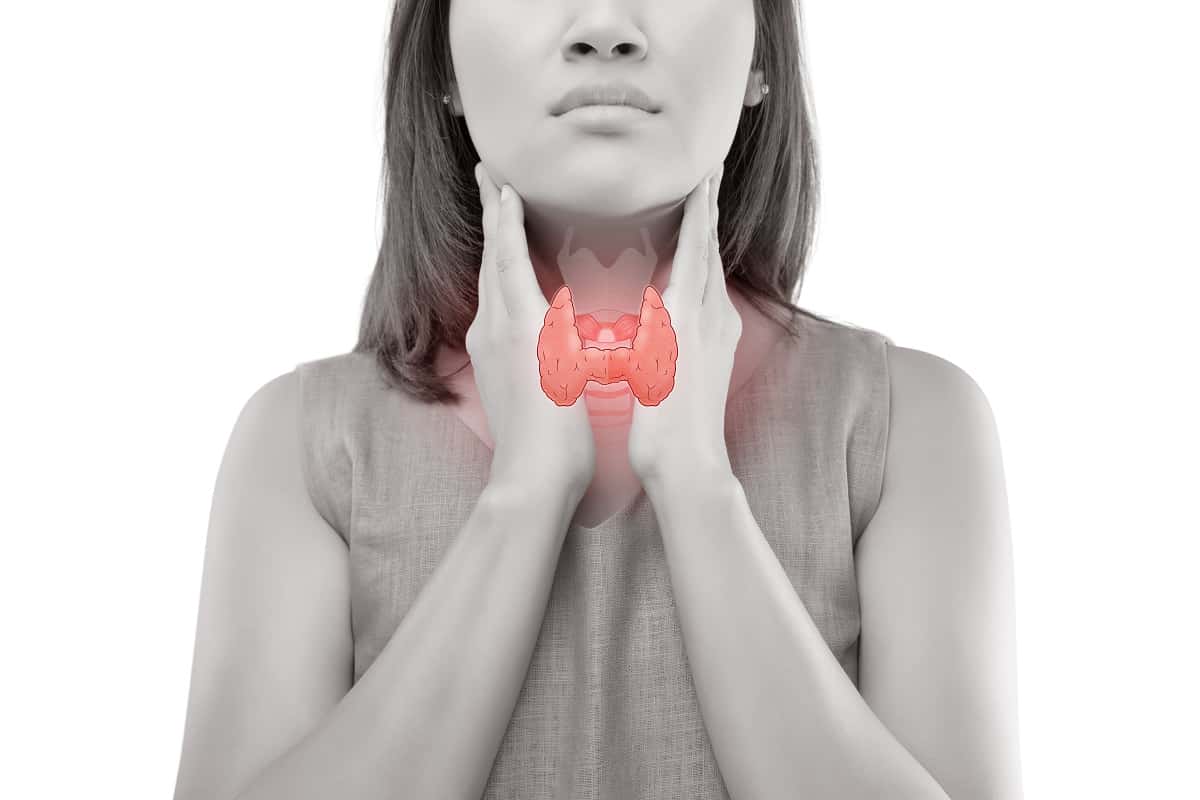
Integrative gastroenterologist Dr. Lynne Ahn takes a comprehensive approach to health, recognizing how interconnected your body’s systems are. One small gland that plays a disproportionately large role in overall wellness is the thyroid. Located in the neck, this butterfly-shaped gland produces hormones essential for regulating your metabolism, energy levels, and even your digestive health. Here’s why keeping your thyroid in top condition is crucial for overall well-being.

Continue reading “Why the Health of Your Thyroid Matters”

How Do Toxins Enter Your Body? (And How to Limit Your Exposure)

The unfortunate reality of living in the modern world is that every day you’re exposed to environmental and lifestyle toxins that can affect your health. At Ahn Point Wellness, Dr. Lynne Ahn believes that understanding how these toxins enter your body is key to making healthier choices. By recognizing these sources and taking steps to limit your exposure, you can reduce their impact and promote long-term wellness.

Continue reading “How Do Toxins Enter Your Body? (And How to Limit Your Exposure)”

Is Ozempic (Semaglutide) a Good Weight Loss Option?

Now that Ozempic, a once-secret weight loss drug used by celebrities and the wealthy, has reached mainstream discourse, you may be wondering whether you could also benefit from this drug in your quest to lose weight. Dr. Lynne Ahn, a renowned gastroenterologist and functional medicine physician who specializes in metabolic and nutritional medicine, discusses what overweight and obese patients should know about this drug before making any big decisions.

Continue reading “Is Ozempic (Semaglutide) a Good Weight Loss Option?”

How Anxiety Affects Your Body

According to the U.S. Census, more than 40 million American adults have an anxiety disorder. Stress is normal for everyone from time to time, but it can be debilitating if you are dealing with anxiety on a regular basis. In addition to taking a toll on your mental health, anxiety can be the source of several physical symptoms. Dr. Lynne Ahn, an integrative gastroenterologist and functional medicine physician in Wellesley, discusses some of these symptoms in this blog.

Continue reading “How Anxiety Affects Your Body”

What a Colonoscopy Can Tell You About Your Body

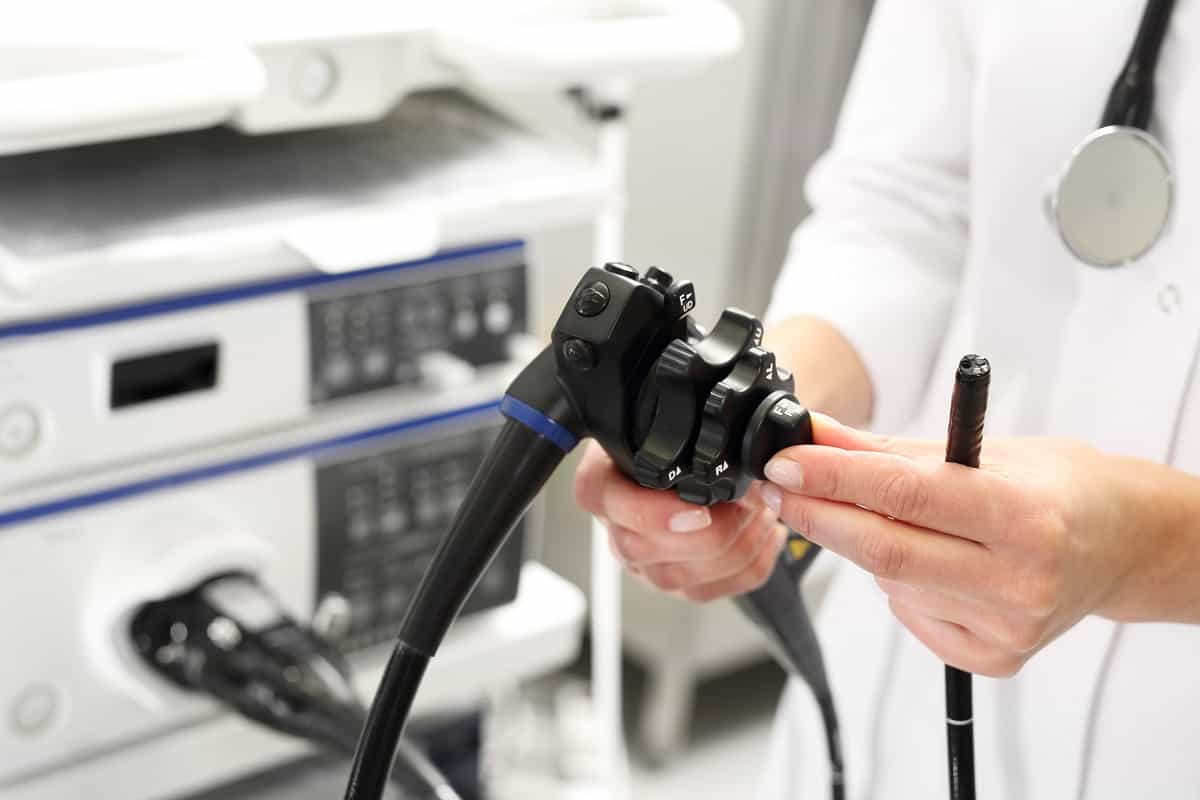
When most people hear the word “colonoscopy,” their minds go to one thing: a colorectal cancer screening. While most physicians recommend preventative colonoscopies once per decade beginning at age 45 (sooner and more frequent if risk factors are elevated for a patient), some doctors recommend a diagnostic colonoscopy to patients experiencing chronic gastrointestinal symptoms. Below, Dr. Lynne Ahn, a top gastroenterologist in Wellesley, discusses what a colonoscopy can tell you about your body.

Continue reading “What a Colonoscopy Can Tell You About Your Body”

How Bioidentical Hormones Differ from Traditional HRT

Adults can see their hormone levels fluctuate in middle age. For women, estrogen, progesterone, and testosterone production slows significantly, spurring many of the symptoms that are associated with perimenopause and menopause. For both women and men, testosterone levels slow gradually (about 1-3% per year), which can have a profound effect on mood, strength, and sex drive.

Bio-identical hormone replacement therapy (BHRT), also known as Menopausal Hormone Treatment (MHT), has become a popular treatment for patients who want to replenish their diminished hormone levels. Dr. Lynne Ahn, a respected anti-aging regenerative medicine physician and integrative gastroenterologist, shares what makes BHRT an important consideration in optimizing health.

Continue reading “How Bioidentical Hormones Differ from Traditional HRT”

Get Your Vitamins More Efficiently with IV Therapy

Most patients who stay in a hospital are given a type of IV (intravenous) therapy to ensure that they stay hydrated amidst an illness or surgery. However, IVs are not just for patients facing an emergency. Anyone can benefit from vitamin IVs to renourish the body. Dr. Lynne Ahn, a board-certified anti-aging regenerative medicine physician, is pleased to offer this modern treatment to her patients in Wellesley. 

Continue reading “Get Your Vitamins More Efficiently with IV Therapy”

Featured

Reviews

Read More Reviews

Accessibility Toolbar

Patient PortalClick Here